
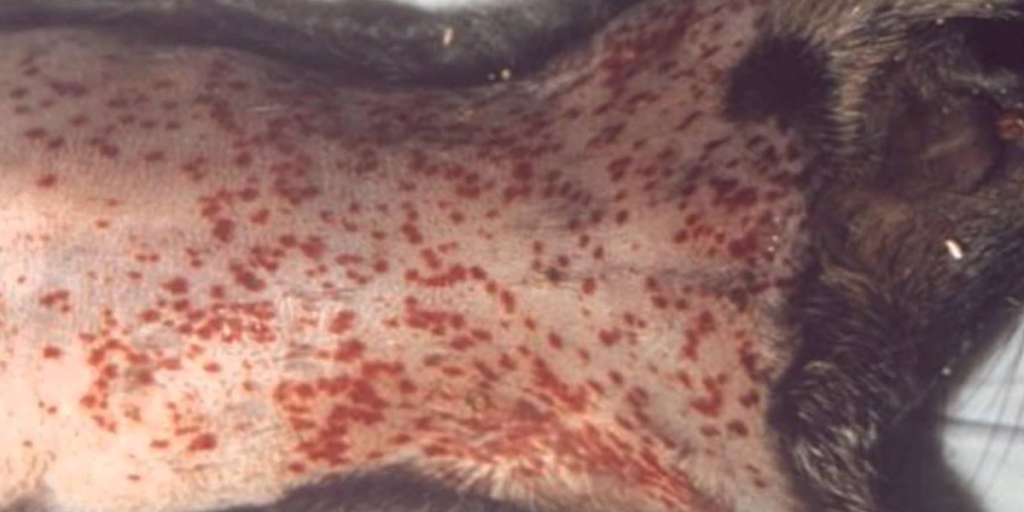
The word “plague” often triggers images of historical catastrophes, medieval quarantine measures, and dark chapters from history textbooks. Because of this historical association, many people assume that plague is a disease of the past, completely wiped out by modern civilization.
However, plague is a real, active bacterial infection that still occurs in several parts of the world. The critical difference today is our medical capability: thanks to advanced diagnostics, public health surveillance, and effective antibiotics, plague is entirely treatable when caught early.
This comprehensive guide breaks down what plague actually is, how it spreads, its distinct medical forms, key symptoms, modern treatment options, and practical ways to stay safe.
What Is Plague?
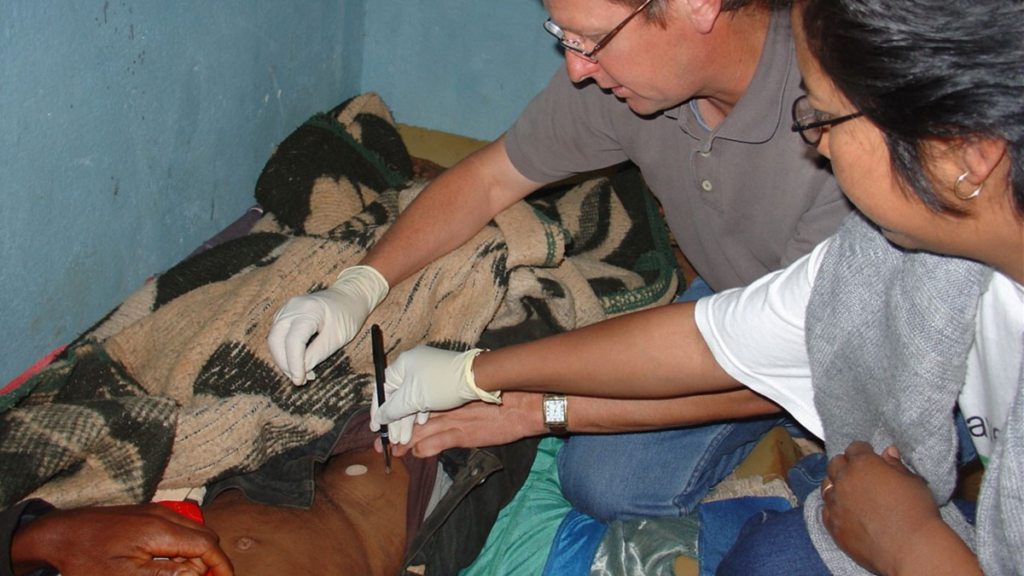
Plague is an acute infectious disease caused by the bacterium Yersinia pestis. This bacterium naturally lives in wild animal populations, primarily small rodents like ground squirrels, prairie dogs, voles, and rats, along with the fleas that feed on them.
┌──────────────────────────────────────────────────────────┐
│                 THE PLAGUE TRANSMISSION CYCLE            │
└──────────────────────────────────────────────────────────┘
                            │
                            ▼
               [ Wild Rodents / Mammals ]
                (Natural Reservoir Host)
                            │
                            │ Flea Bites
                            ▼
                      [ Infected Fleas ]
                            │
             ┌──────────────┴──────────────┐
             │ Flea Bite                   │ Direct Contact / Droplets
             ▼                             ▼
      [ Human Infection ]          [ Domestic Pets / Cats ]
   (Bubonic / Septicemic)          (Can transfer fleas to humans)
             │
             │ Progression to Lungs
             ▼
   [ Pneumonic Plague ] ───────► [ Human-to-Human Spread ]
                                 (via Respiratory Droplets)
Plague is classified as a zoonotic infection, meaning it travels between animals and humans. Humans typically contract the bacteria when they enter environments where the animal-flea infection cycle is active.
While it is uncommon globally, rural and semi-rural areas in parts of Africa (such as the Democratic Republic of the Congo and Madagascar), South America (Peru), and even regions of the western United States report sporadic cases every year.
How Does Plague Spread?
The method of transmission depends on the environment, animal contact, and the specific form of the disease. Humans can contract Yersinia pestis through three main pathways:
- Flea Bites: The vast majority of human plague cases are caused by bites from infected fleas. When a host rodent dies from the infection, its fleas leave the body searching for a new blood source, which can include nearby humans or domestic pets.
- Direct Contact with Infected Tissues: Handling the blood, tissue, or bodily fluids of an infected animal—such as skinning a wild rodent or rabbit without protection—allows bacteria to enter through small cuts or breaks in the skin.
- Inhaling Respiratory Droplets: When a person or animal has pneumonic plague (plague in the lungs), coughing releases infectious microscopic droplets into the air. Inhaling these droplets is the only way plague spreads directly from human to human.
The Three Main Types of Plague
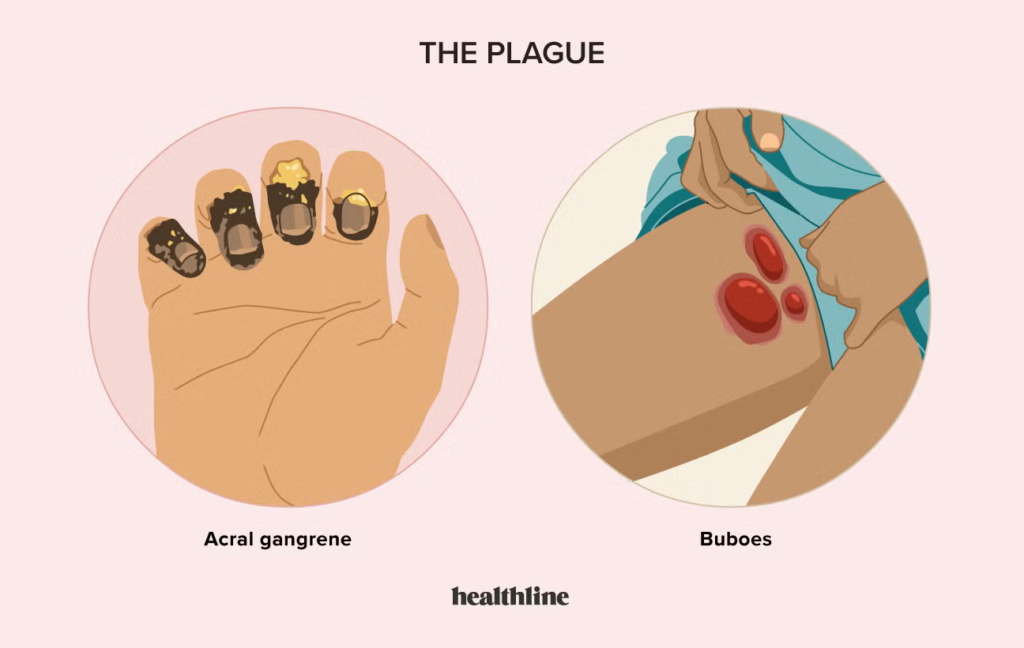
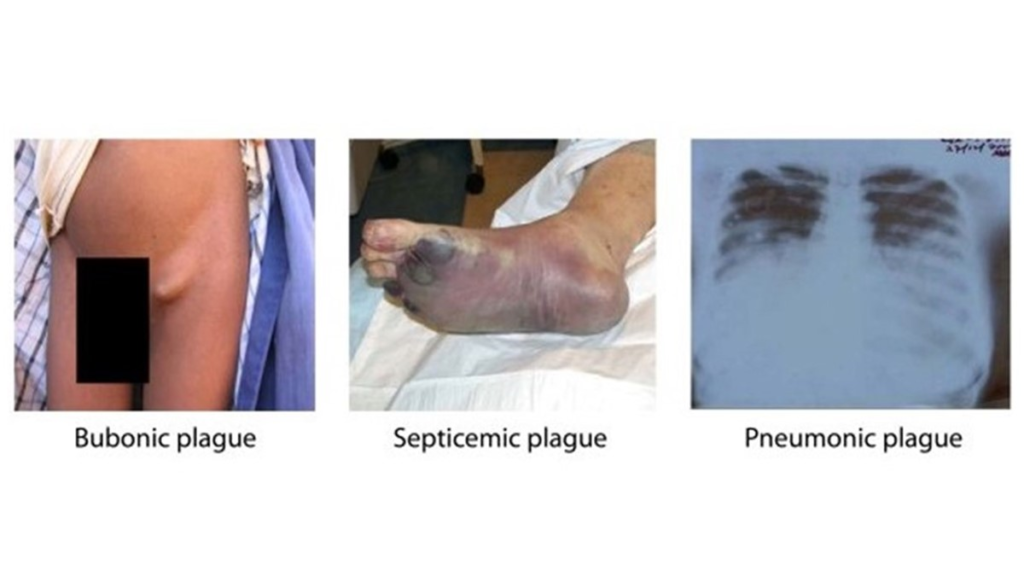
Depending on how the bacteria enter the body and where they settle, plague manifests in three distinct clinical forms: Bubonic, Septicemic, and Pneumonic.
                     ┌────────────────────────┐
                     │   Yersinia pestis      │
                     └───────────┬────────────┘
                                 │
         ┌───────────────────────┼───────────────────────┐
         │ Flea Bite             │ Direct Blood Entry    │ Droplet Inhalation
         ▼                       ▼                       ▼
┌──────────────────┐   ┌──────────────────┐   ┌──────────────────┐
│  Bubonic Plague  │   │Septicemic Plague │   │ Pneumonic Plague │
├──────────────────┤   ├──────────────────┤   ├──────────────────┤
│ Swollen, painful │   │ Blood infection, │   │ Severe lung      │
│ lymph nodes      │   │ tissue necrosis, │   │ infection, cough,│
│ ("buboes")       │   │ sudden fever     │   │ rapid onset      │
└────────┬─────────┘   └──────────────────┘   └──────────────────┘
         │                                               ▲
         └────── Advanced spread via bloodstream ────────┘
1. Bubonic Plague (The Most Common Form)
Bubonic plague accounts for over 80–90% of all human cases worldwide.
- How it happens: An infected flea bites a person, depositing Y. pestis into the skin. The bacteria travel through the lymphatic vessels until they reach the nearest lymph node.
- Hallmark Sign: The localized lymph node becomes intensely swollen, inflamed, and tender. These swollen nodes are called buboes and commonly appear in the groin, armpits, or neck.
- Transmission: Bubonic plague cannot spread directly from person to person.
2. Septicemic Plague
Septicemic plague occurs when the bacteria multiply directly in the bloodstream.
- How it happens: It can occur as the primary infection (from a flea bite or handling infected tissue) or as a secondary complication when untreated bubonic plague spreads into the blood.
- Hallmark Sign: Rapid onset of fever, severe weakness, abdominal pain, and internal bleeding. In advanced stages, poor blood flow causes tissue death (gangrene) in the extremities, turning fingers, toes, and the nose black—a symptom that historically contributed to the term “Black Death”.
3. Pneumonic Plague (The Most Severe Form)
Pneumonic plague occurs when Yersinia pestis infects the lungs.
- How it happens: It develops either from inhaling infectious respiratory droplets or as a secondary spread from advanced, untreated bubonic or septicemic plague.
- Hallmark Sign: Severe pneumonia with rapid breathing difficulty, chest pain, fever, and a cough that produces watery or blood-tinged sputum.
- Critical Concern: Pneumonic plague is the most dangerous form because it is contagious between humans and can become fatal within 18 to 24 hours if untreated.
Symptoms at a Glance
The incubation period for plague is generally 1 to 7 days after exposure (though pneumonic plague can manifest in as little as 24 hours).
Common early symptoms resemble a sudden, severe flu:
- Sudden onset of high fever and chills
- Severe headache and generalized body aches
- Extreme fatigue and weakness
- Nausea, vomiting, or abdominal pain
                  ┌──────────────────────────────────────────────┐
                  │          PLAGUE SYMPTOM SPECTRUM             │
                  └──────────────────────────────────────────────┘

     General Symptoms              Bubonic Signs             Pneumonic Signs
  ┌───────────────────┐        ┌───────────────────┐      ┌───────────────────┐
  │ • High Fever      │        │ • Painful Buboes  │      │ • Chest Pain      │
  │ • Chills & Aches  │  ───►  │   (Swollen Nodes) │ ───► │ • Shortness of    │
  │ • Severe Fatigue  │        │ • Tender Groin /  │      │   Breath          │
  │ • Nausea / Vomit  │        │   Armpit / Neck   │      │ • Bloody Cough    │
  └───────────────────┘        └───────────────────┘      └───────────────────┘
How Plague Is Diagnosed and Treated
Rapid Diagnosis
Because plague can progress rapidly, medical professionals rely on a combination of patient history (such as recent travel or outdoor exposure in endemic areas) and physical exams. Laboratory confirmation involves taking samples of fluid from a swollen bubo, blood, or respiratory sputum to identify Y. pestis via culture or rapid antigen tests.
If plague is strongly suspected, treatment begins immediately without waiting for full lab confirmation.
Modern Treatment with Antibiotics
Unlike during medieval times, Yersinia pestis is highly sensitive to standard antibiotics.
- First-Line Medications: Healthcare providers commonly prescribe intravenous or oral antibiotics such as gentamicin, fluoroquinolones (levofloxacin, ciprofloxacin), or doxycycline.
- Duration: Antibiotic courses typically run for 10 to 14 days.
- Supportive Care: Hospitalization, intravenous fluids, and respiratory monitoring are essential for managing severe symptoms or low blood pressure.
When antibiotics are administered within the first 24 hours of symptom onset, recovery rates increase dramatically, turning what was once a terrifying epidemic into a manageable medical condition.
Prevention: How to Stay Safe

Preventing plague involves breaking the transmission loop between rodents, fleas, and humans. Practical preventative measures include:
- Rodent-Proof Your Surroundings: Clear away brush, woodpiles, trash, and food sources around homes and campsites that attract wild rodents.
- Protect Domestic Pets: Keep cats and dogs treated with regular flea-prevention products. Pets that roam freely in rural outdoor environments can carry infected fleas back into the home.
- Use Insect Repellent: When hiking, camping, or working outdoors in areas where plague is endemic, apply DEET-based repellents to skin and clothing to deter flea bites.
- Avoid Sick or Dead Animals: Never touch sick or dead wild rodents, rabbits, or small mammals with bare hands. Use gloves or contact local wildlife authorities.
- Use Personal Protective Equipment (PPE): Healthcare workers treating potential pneumonic plague cases must use strict isolation measures, including masks, gowns, and eye protection, to block respiratory transmission.
The Historical Context: Why Was It So Deadly?
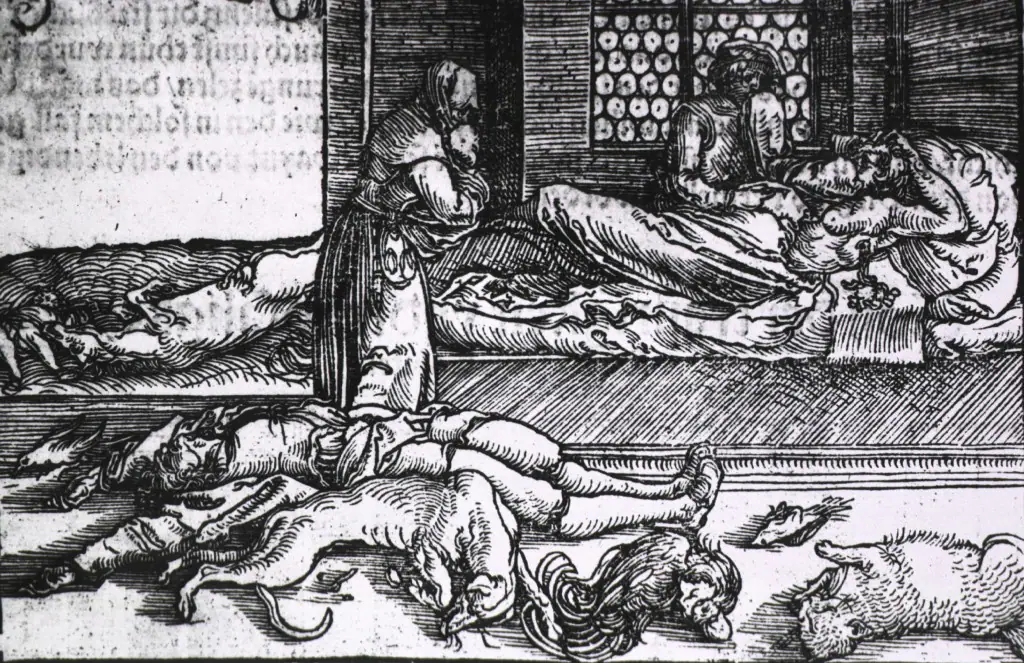
Understanding why plague caused millions of deaths in past centuries—such as during the 14th-century “Black Death”—helps explain why it is far less dangerous today.
- No Knowledge of Germ Theory: Historical populations did not know that bacteria existed, nor did they understand that fleas and rats carried the infection.
- Lack of Antibiotics: Modern life-saving antibacterial drugs were non-existent until the 20th century.
- Poor Sanitation: Dense urban crowding, lack of waste management, and unchecked rodent populations allowed flea-borne transmission to soar uncontrolled.
Today, public health surveillance networks track rodent populations, monitor bacterial activity in endemic regions, and isolate suspected human cases long before widespread outbreaks can take hold.
Summary of Key Takeaways
| Aspect | Key Takeaway |
| Causative Agent | Bacterium named Yersinia pestis. |
| Primary Vectors | Fleas feeding on infected wild rodents or small mammals. |
| Main Forms | Bubonic (swollen nodes), Septicemic (blood infection), Pneumonic (lung infection). |
| Key Warning Sign | Painful, swollen lymph nodes (“buboes”) following sudden high fever and chills. |
| Effective Treatment | Standard antibiotics (e.g., Gentamicin, Levofloxacin, Doxycycline) given early. |
| Primary Prevention | Flea control, avoiding wild rodents, and using insect repellent outdoors. |
Plague remains an important reminder of the relationship between human health and wildlife environments. While the disease still exists in nature, modern science and medicine have stripped away its historical terror, transforming it into a rare, recognizable, and treatable condition.
FAQs
Is plague completely gone, or does it still exist?
It’s not extinct—the bacteria still live in wild rodents in a few rural areas worldwide, but actual human cases are very rare.
Can modern plague be cured?
Yes, standard antibiotics clear up the infection completely as long as medical treatment starts early.
How do people catch plague today?
Most cases happen when someone is bitten by an infected flea from a wild rodent or comes into direct contact with an infected animal’s blood.
Can you catch plague from another person?
You can’t catch bubonic plague from someone else, but pneumonic plague (the lung form) can pass between people through coughing.
What is the most obvious symptom of plague?
A sudden high fever paired with “buboes”—swollen, tender lymph nodes that pop up in the groin, armpit, or neck.