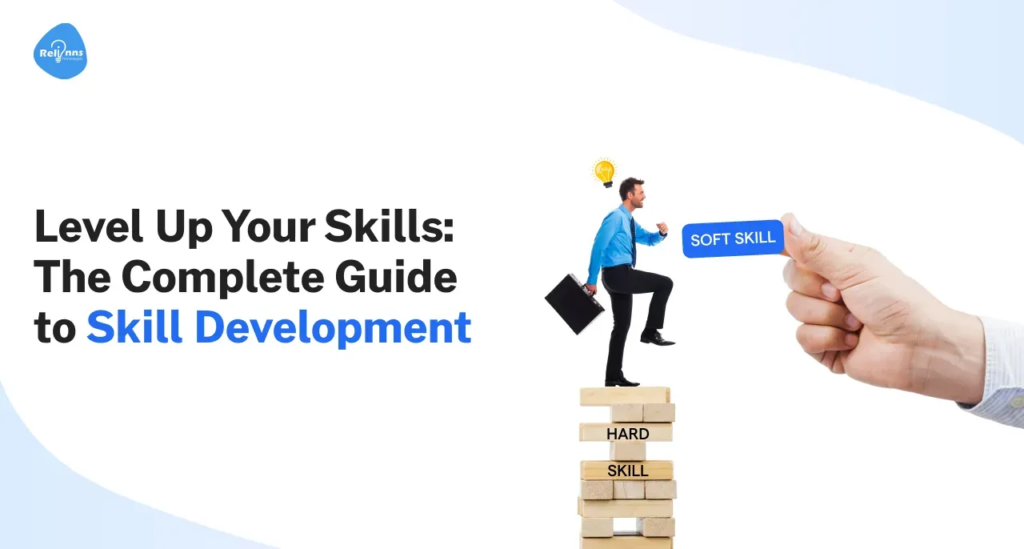
In today’s fast-changing professional world, career growth no longer depends only on degrees or job titles. The real driver of success is skill development—the continuous process of learning, improving, and upgrading abilities that help professionals stay relevant and competitive. As industries evolve due to technology, automation, and globalization, individuals who actively build new skills are the ones who grow faster, earn more, and adapt better to change.
This guide explains why skill development is essential, what skills matter most, and how you can build a strong skill set for long-term career success.
1. Understanding Skill Development and Its Importance
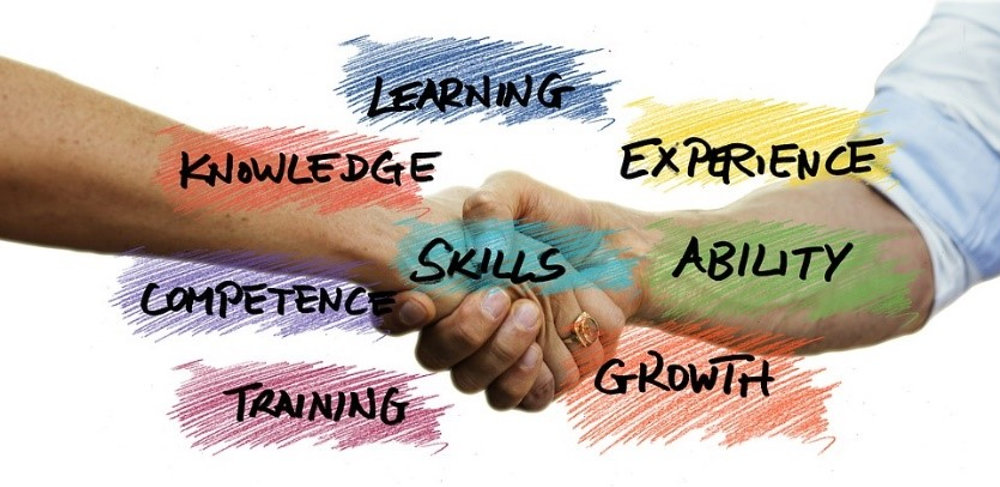
Skill development refers to the process of acquiring new abilities and improving existing ones to perform tasks more effectively. It includes both technical and personal skills that help individuals succeed in their professional roles.
In modern careers, skills matter more than ever because:
- Job roles are constantly changing
- Employers value practical ability over theoretical knowledge
- Continuous learning leads to better job security and growth
Skill development empowers individuals to take control of their careers instead of depending solely on promotions or external opportunities.
2. Types of Skills That Drive Career Growth
To achieve balanced and sustainable career growth, professionals must focus on multiple types of skills rather than just one area.
a) Technical Skills
Technical skills are job-specific abilities such as programming, data analysis, digital marketing, accounting, or design. These skills directly impact performance and productivity.
Examples include:
- Coding and software tools
- Industry-specific knowledge
- Technical certifications
Strong technical skills increase employability and open doors to better roles and salaries.
b) Soft Skills
Soft skills are personal and interpersonal abilities that influence how you work with others and handle responsibilities.
Key soft skills include:
- Communication and presentation skills
- Problem-solving and critical thinking
- Time management and adaptability
- Leadership and teamwork
Soft skills are often the deciding factor in promotions and leadership opportunities.
c) Digital and Future Skills
With technology shaping every industry, digital skills are becoming essential for all professionals.
Important future-ready skills include:
- Digital literacy and tech awareness
- Data-driven decision-making
- AI and automation understanding
- Remote collaboration skills
These skills help professionals stay relevant in a technology-driven workplace.
3. How Skill Development Accelerates Career Growth
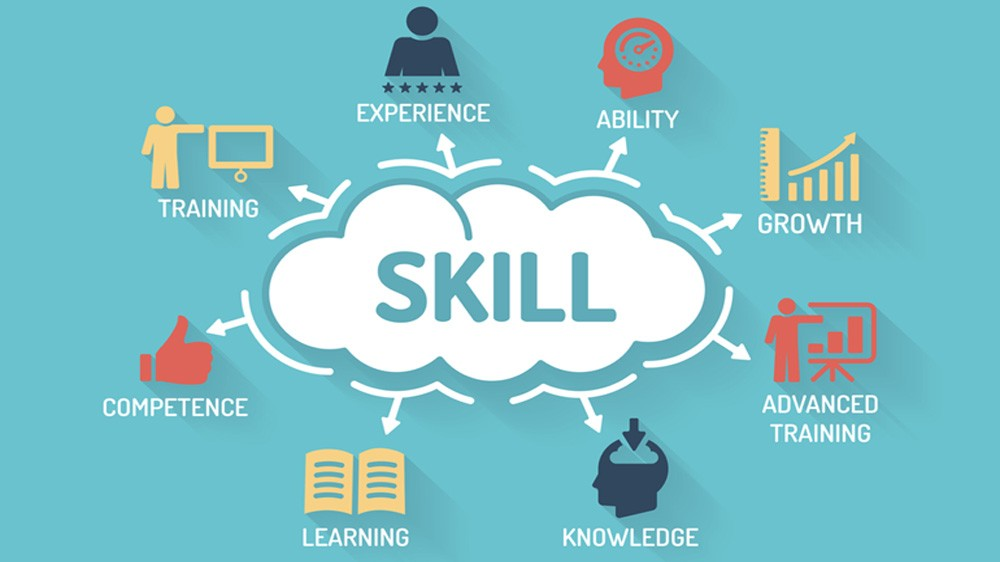
Skill development directly impacts career growth by improving performance, confidence, and opportunities. When professionals consistently upgrade their skills, they become more valuable to employers and clients.
Key benefits include:
- Faster promotions and role upgrades
- Higher earning potential
- Increased job satisfaction and confidence
- Better adaptability to industry changes
Professionals with diverse skill sets are more likely to handle complex responsibilities and leadership roles effectively.
4. Identifying the Right Skills for Your Career Path
Not all skills are equally important for every career. Successful skill development starts with identifying the right skills based on your goals.
Steps to identify relevant skills:
- Analyze your current role and future aspirations
- Study job descriptions in your desired field
- Identify skill gaps through feedback and self-assessment
- Follow industry trends and employer expectations
Focusing on the right skills ensures your learning efforts translate into real career growth.
5. Effective Strategies for Skill Development
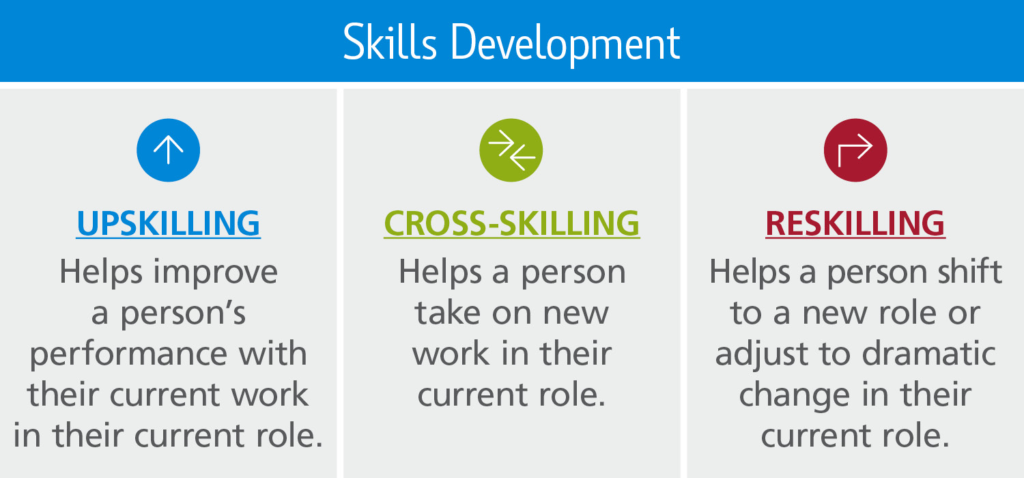
Building skills requires consistency, planning, and practical application. Modern professionals have access to multiple learning methods that make skill development more flexible and effective.
Practical skill development strategies include:
- Online courses and professional certifications
- On-the-job learning and real projects
- Mentorship and peer learning
- Reading industry blogs, books, and research
- Practicing skills through side projects or freelancing
Combining learning with hands-on experience helps retain knowledge and build confidence.
6. Overcoming Common Challenges in Skill Development
Many professionals struggle with skill development due to lack of time, motivation, or clarity. However, these challenges can be managed with the right approach.
Common challenges and solutions:
- Time constraints: Create small daily learning routines
- Information overload: Focus on one skill at a time
- Lack of motivation: Set clear, achievable goals
- Fear of failure: Treat mistakes as learning opportunities
Consistency matters more than speed when it comes to skill growth.
7. Role of Skill Development in Long-Term Career Success
Skill development is not a one-time activity—it is a lifelong process. Professionals who continuously learn remain adaptable, confident, and future-ready.
In the long term, skill development helps:
- Build career resilience during economic changes
- Enable career transitions and role flexibility
- Create leadership and entrepreneurial opportunities
- Maintain professional relevance across industries
Lifelong learners are better prepared to face uncertainty and seize new opportunities.
Conclusion
Skill development is the foundation of meaningful and sustainable career growth. In a competitive and evolving job market, individuals who invest in building the right skills gain confidence, clarity, and control over their professional journeys. By combining technical expertise, soft skills, and future-ready abilities, professionals can unlock new opportunities, achieve long-term success, and stay ahead in their careers. Continuous learning is no longer optional—it is essential.
Note: This content is for informational and educational purposes only. Career growth and skill development outcomes may vary depending on individual effort, industry trends, and professional circumstances. Readers are encouraged to research and choose skill development paths aligned with their personal goals and career objectives.
#SkillDevelopment #CareerGrowth #ProfessionalSkills #LifelongLearning #CareerSuccess #Upskilling #PersonalDevelopment #FutureSkills