

In the modern business era, entrepreneurship is no longer limited to launching a startup or owning a business. It is a continuous journey of learning, adapting, and scaling in an environment shaped by technology, competition, and changing consumer behavior. Today’s entrepreneurs must balance innovation with execution, speed with sustainability, and ambition with discipline. Growth is not accidental—it is the result of clear vision, smart strategies, and consistent effort over time.
This guide explores the essential growth pillars every modern entrepreneur must focus on to build a strong, scalable, and future-ready business.
1. Developing a Growth-Oriented Entrepreneurial Mindset

A strong mindset is the foundation of every successful entrepreneurial journey. Modern entrepreneurs must develop a growth-oriented mindset that allows them to see challenges as opportunities rather than obstacles.
In today’s competitive market, setbacks, failures, and uncertainty are unavoidable—but how an entrepreneur responds to them defines long-term success.
A growth mindset encourages continuous learning, resilience, and adaptability. Entrepreneurs with this mindset are open to feedback, willing to pivot when necessary, and confident enough to take calculated risks. They understand that skills, strategies, and results can improve with effort and experience. This mental flexibility enables entrepreneurs to stay motivated, focused, and innovative even during difficult phases of business growth.
2. Validating Ideas with Market-Driven Thinking
In the modern entrepreneurial ecosystem, ideas must be backed by real market demand. Many businesses fail not because the idea was bad, but because it did not solve a genuine customer problem. Market-driven thinking helps entrepreneurs validate ideas before investing significant time, money, and resources.
Modern entrepreneurs use customer research, surveys, pilot launches, and minimum viable products (MVPs) to test assumptions. This approach allows them to gather insights directly from users and refine offerings based on actual needs. By focusing on customer pain points and behavior, entrepreneurs build products and services that are relevant, valuable, and scalable—significantly increasing the chances of sustainable growth.
3. Leveraging Technology for Scalable Growth

Technology has become a powerful growth enabler for modern entrepreneurs. Digital tools allow businesses to operate efficiently, reach global audiences, and scale without massive infrastructure costs. Entrepreneurs who strategically adopt technology gain a competitive edge.
From automation tools that streamline operations to data analytics platforms that support better decision-making, technology helps entrepreneurs optimize performance at every level. Cloud-based systems improve flexibility, while AI-driven insights enhance customer understanding. By leveraging technology wisely, entrepreneurs can scale faster, reduce operational inefficiencies, and focus more on innovation and strategic growth.
4. Building a Strong Brand and Online Presence
In today’s digital-first world, a brand is more than a logo or tagline—it represents trust, value, and credibility. Modern entrepreneurs must actively build a strong and consistent brand identity across online platforms to support long-term growth.
A clear brand message helps customers understand what the business stands for and why it matters. Consistent content, visual identity, and communication across websites, social media, and digital channels strengthen brand recognition. When customers connect emotionally with a brand, they are more likely to engage, return, and recommend it, creating organic and sustainable growth.
5. Creating Sustainable Revenue Models
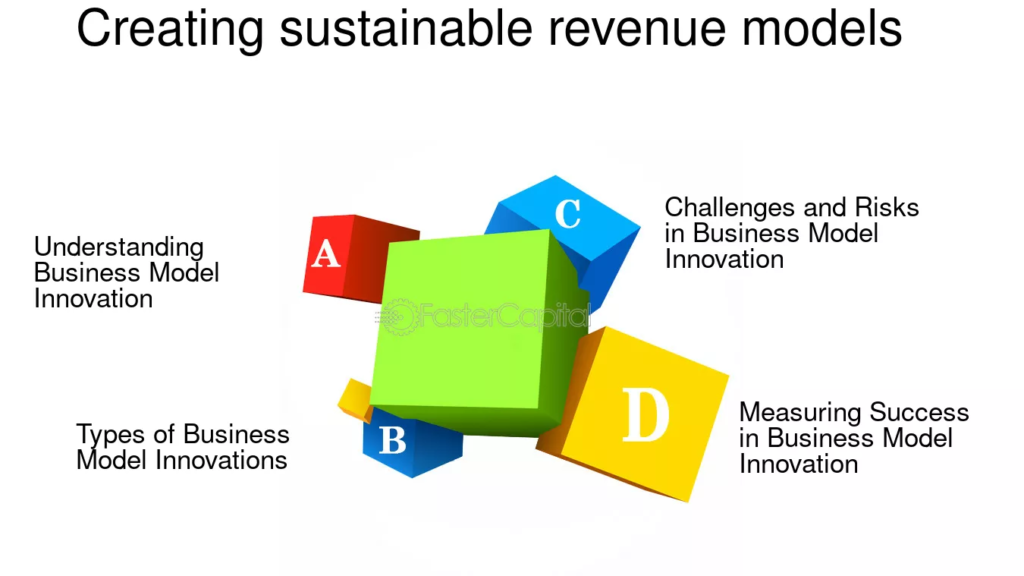
Growth without financial sustainability can be risky. Modern entrepreneurs must focus not only on increasing revenue but also on building reliable and diversified income streams. Sustainable revenue models ensure stability during market fluctuations and support long-term expansion.
Entrepreneurs today explore subscription models, digital products, recurring services, and value-based pricing strategies. They also focus on customer lifetime value rather than one-time sales. A well-designed revenue model balances profitability with customer satisfaction, enabling consistent growth without sacrificing quality or trust.
6. Customer-Centric Growth Strategies
Customer-centricity is a defining trait of successful modern businesses. Entrepreneurs who prioritize customer experience and satisfaction naturally create stronger growth opportunities. Growth driven by customer loyalty is more sustainable than growth driven solely by aggressive marketing.
By understanding customer behavior, preferences, and feedback, entrepreneurs can personalize offerings and improve service quality. A customer-first approach builds long-term relationships, encourages repeat business, and turns customers into brand advocates. This organic form of growth reduces marketing costs while increasing brand credibility and market presence.
7. Building the Right Team and Leadership Culture

Entrepreneurial growth depends heavily on people. As businesses scale, the ability to build and lead the right team becomes critical. Modern entrepreneurs must move beyond doing everything themselves and focus on empowering others.
Effective leadership involves clear communication, trust, and accountability. Entrepreneurs who invest in team development create a culture of collaboration, innovation, and ownership. When employees feel valued and aligned with the company’s vision, productivity increases and growth accelerates. A strong leadership culture ensures that the business can scale without losing direction or values.
8. Financial Discipline and Smart Decision-Making
Financial awareness is essential for sustainable growth. Modern entrepreneurs must understand key financial metrics such as cash flow, profit margins, and operating costs. Without financial discipline, even high-growth businesses can struggle.
Smart decision-making involves balancing ambition with caution. Entrepreneurs must allocate resources strategically, avoid unnecessary expenses, and plan for uncertainties. Regular financial review and risk management help businesses remain stable during challenging times and confident during expansion phases.
9. Expanding Through Partnerships and Networks

Growth often accelerates through collaboration. Strategic partnerships allow entrepreneurs to access new markets, technologies, and customer bases more efficiently. Modern entrepreneurship thrives in ecosystems where knowledge and resources are shared.
Building strong professional networks, engaging with mentors, and participating in entrepreneurial communities provide valuable insights and opportunities. Partnerships not only reduce risk but also create win-win growth scenarios that are difficult to achieve independently.
10. Adapting to Change and Future Trends
The business environment is constantly evolving. Entrepreneurs who fail to adapt risk becoming irrelevant. Modern growth requires awareness of industry trends, technological advancements, and changing customer expectations.
Entrepreneurs must stay flexible and open to innovation. Continuous learning, upskilling, and strategic experimentation help businesses stay competitive. Adaptability ensures long-term relevance and positions entrepreneurs to lead rather than follow future market trends.
Conclusion
The modern entrepreneur’s guide to growth is built on mindset, strategy, and execution. Sustainable growth does not happen overnight—it is the result of consistent learning, customer focus, financial discipline, and adaptive leadership. Entrepreneurs who align vision with action and innovation with responsibility can build businesses that not only grow but also create lasting impact in an ever-changing world.
#Entrepreneurship #ModernEntrepreneur #StartupGrowth #BusinessMindset #ScalingBusiness #Leadership #BusinessStrategy #StartupSuccess