
In today’s fast-moving, digitally driven world, lifestyle is no longer defined by luxury, trends, or social status. A truly fulfilling lifestyle is built on balance—where physical health, mental clarity, emotional stability, and personal growth work together. Redefining your lifestyle does not require drastic changes. Instead, it begins with simple, intentional habits practiced consistently in everyday life.
1. Begin Each Day with Intention
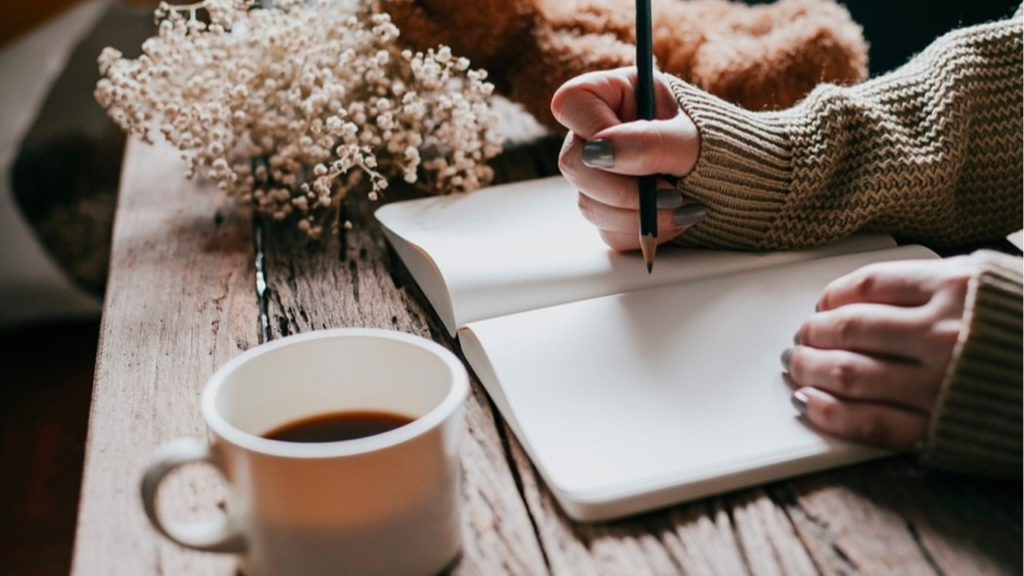
How you start your morning strongly influences how the rest of your day unfolds. Rushed and unplanned mornings often lead to stress, lack of focus, and reduced productivity. Intentional mornings, on the other hand, create clarity and confidence.
Key Habits to Practice:
- Wake up a little earlier to avoid rushing
- Avoid checking your phone immediately after waking up
- Practice gratitude, affirmations, or light stretching
- Write down your top two or three priorities for the day
Why It Matters:
Starting the day with intention helps calm the mind and improve decision-making. Gratitude practices are proven to boost positivity and emotional resilience, while daily planning provides direction and reduces mental overload. Over time, intentional mornings build discipline and self-awareness.
2. Support Physical Health Through Daily Movement



Physical well-being is the foundation of a better lifestyle. You do not need intense workouts or strict diets to stay healthy. Small, consistent actions have the greatest long-term impact.
Simple Health-Focused Habits:
- Engage in 20–30 minutes of walking, stretching, or light exercise daily
- Maintain a balanced diet with whole foods and proper hydration
- Follow a consistent sleep routine of 7–8 hours
Additional Insight:
Regular movement improves blood circulation, strengthens immunity, and enhances mood by releasing endorphins. Quality sleep allows the brain and body to recover, while healthy nutrition supports energy levels and long-term disease prevention. Together, these habits create sustainable physical wellness.
3. Practice Mindful and Conscious Living


Mindful living means being fully present in the moment rather than constantly multitasking or worrying about the future. In a world dominated by screens and distractions, mindfulness is essential for mental peace.
Mindfulness Practices to Adopt:
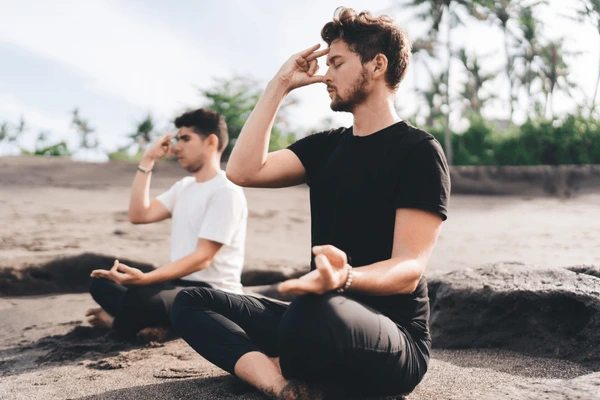
- Deep breathing or short meditation sessions
- Limiting screen time, especially before bedtime
- Eating meals slowly and without distractions
Why Mindfulness Is Important:
Mindfulness reduces stress hormones, improves focus, and enhances emotional regulation. Conscious living also strengthens self-awareness, helping you make better lifestyle choices and respond calmly to daily challenges.
4. Build Positive and Consistent Daily Routines


Daily routines provide structure and stability, making life more manageable and less overwhelming. When routines are consistent, the mind experiences less anxiety and more control.
Effective Routine Habits:
- Set fixed times for work, rest, and personal care
- Develop habits like journaling, reading, or self-reflection
- Create a calming nighttime routine to support better sleep
Related Benefits:
Strong routines reduce decision fatigue and improve time management. They also support productivity while ensuring enough space for relaxation and recovery, which is essential for long-term balance.
5. Simplify Your Environment for Mental Clarity
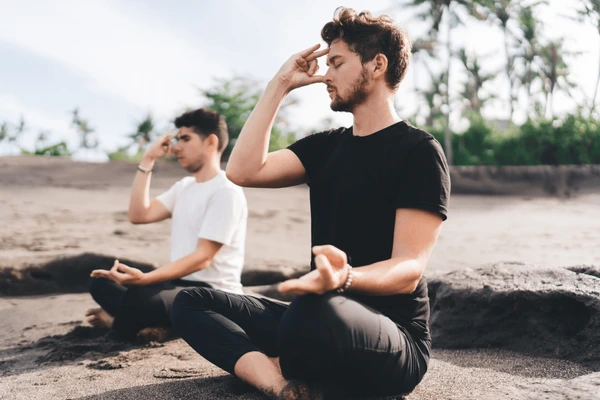
Your physical surroundings have a direct impact on your mental state. A cluttered space often leads to mental distraction, while a simplified environment promotes calm and focus.
Ways to Simplify Your Space:
- Declutter your home and workspace regularly
- Organize digital files and reduce unnecessary notifications
- Practice mindful purchasing and avoid excess
Why Simplicity Works:
Minimal and organized environments reduce stress and increase concentration. Simplifying your surroundings also encourages conscious consumption, financial clarity, and emotional freedom from material overload.
6. Strengthen Meaningful Relationships


A redefined lifestyle places greater value on quality relationships rather than the number of social connections. Strong relationships are vital for emotional well-being and happiness.
Healthy Relationship Habits:
- Spend quality time with family and friends
- Practice active listening and empathy
- Set boundaries with negative or draining influences
Additional Information:
Meaningful relationships reduce feelings of loneliness, increase life satisfaction, and improve emotional resilience. Studies show that strong social bonds contribute to better mental health and even longer life expectancy.
7. Prioritize Self-Care Without Guilt
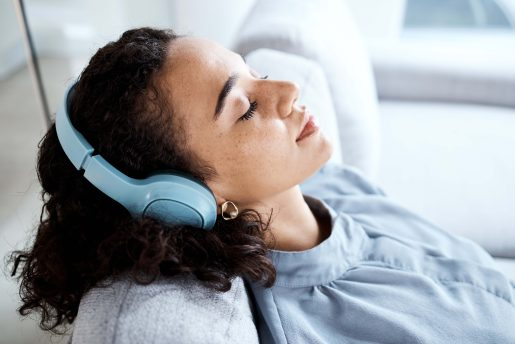
Self-care is not selfish—it is essential. Taking care of your physical and emotional needs allows you to function better in all areas of life.
Self-Care Practices to Include:
- Take regular breaks and allow time for rest
- Engage in hobbies and activities that bring joy
- Protect your emotional energy through healthy boundaries
Why Self-Care Matters:
Regular self-care prevents burnout, reduces chronic stress, and supports mental health. When you prioritize yourself, you improve your ability to perform effectively both personally and professionally.
8. Focus on Growth, Not Perfection
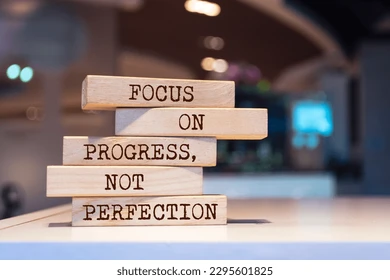
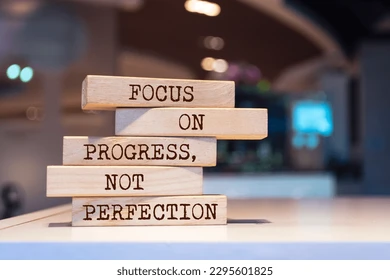
There is no such thing as a perfect lifestyle. Sustainable improvement comes from focusing on growth rather than unrealistic standards.
Growth-Oriented Habits:
- Learn new skills and seek knowledge continuously
- Set realistic goals and track progress
- View mistakes as learning opportunities
Related Insight:
A growth mindset builds confidence and adaptability. Continuous learning keeps life meaningful and prepares you to handle change with resilience and clarity.
Conclusion
Redefining lifestyle is about choosing intention, balance, and consistency over perfection. By adopting simple habits focused on health, mindfulness, relationships, and personal growth, you can create a lifestyle that supports long-term happiness and well-being. True transformation does not come from drastic changes but from small, meaningful choices made every day.
Note: This content is intended for informational and educational purposes only. It does not replace professional medical, psychological, or lifestyle advice. Individual results may vary based on personal circumstances.
#LifestyleRedefined #BetterLiving #SimpleHabits #MindfulLiving #HealthyLifestyle #PersonalGrowth #DailyWellness #SelfCare #LifeBalance #IntentionalLiving#Carrerbook#Anslation.