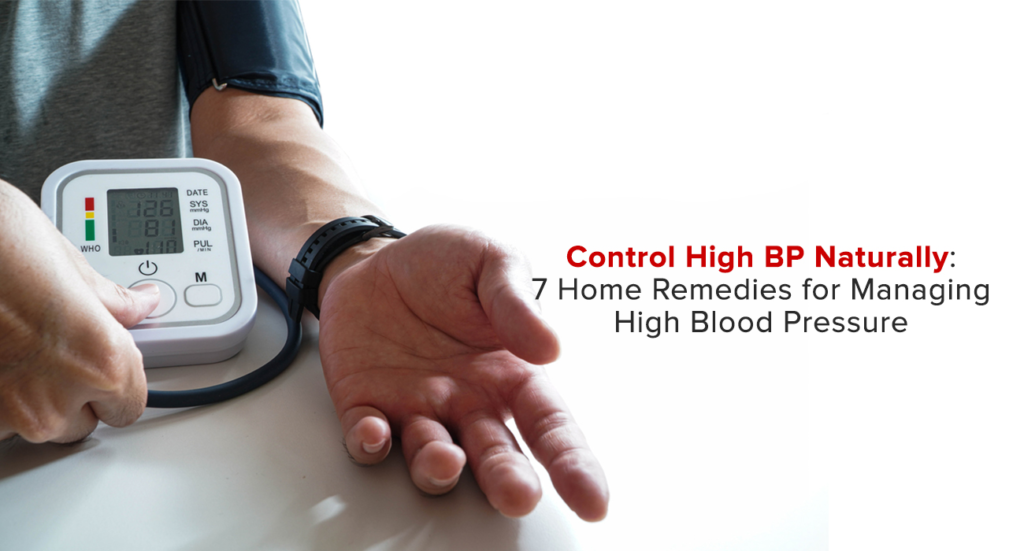
High Blood Pressure, medically known as Hypertension, is one of the most common lifestyle-related health problems worldwide. It occurs when the force of blood flowing through the arteries remains consistently higher than normal. Over time, this increased pressure puts extra strain on the heart and blood vessels, slowly damaging vital organs such as the heart, brain, kidneys, and eyes.
What makes high BP especially dangerous is that it often develops silently, without obvious symptoms. Many people live with high blood pressure for years without realizing it, which is why it is often called the “silent killer.” Understanding its causes, symptoms, and control methods is essential for preventing serious health complications and maintaining a healthy life.
Understanding Blood Pressure and Its Levels
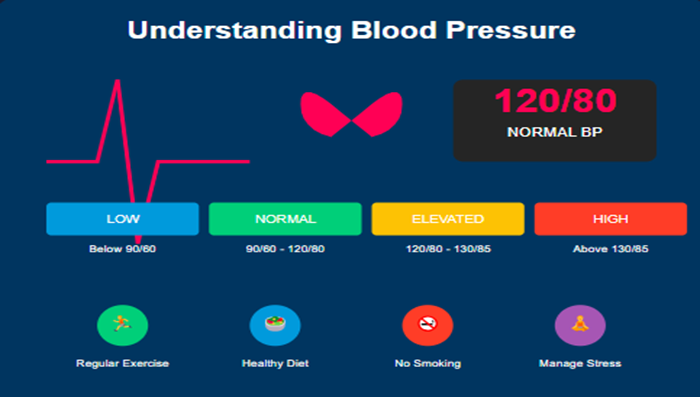
Blood pressure is measured using two numbers:
- Systolic Pressure (Top Number):
This measures the pressure in the arteries when the heart contracts and pumps blood. - Diastolic Pressure (Bottom Number):
This measures the pressure when the heart relaxes between beats.
A normal BP reading is usually around 120/80 mmHg. Blood pressure is considered high when readings consistently remain 140/90 mmHg or above. Even slightly elevated BP over a long period can increase health risks, making regular monitoring extremely important.
Major Reasons for High Blood Pressure
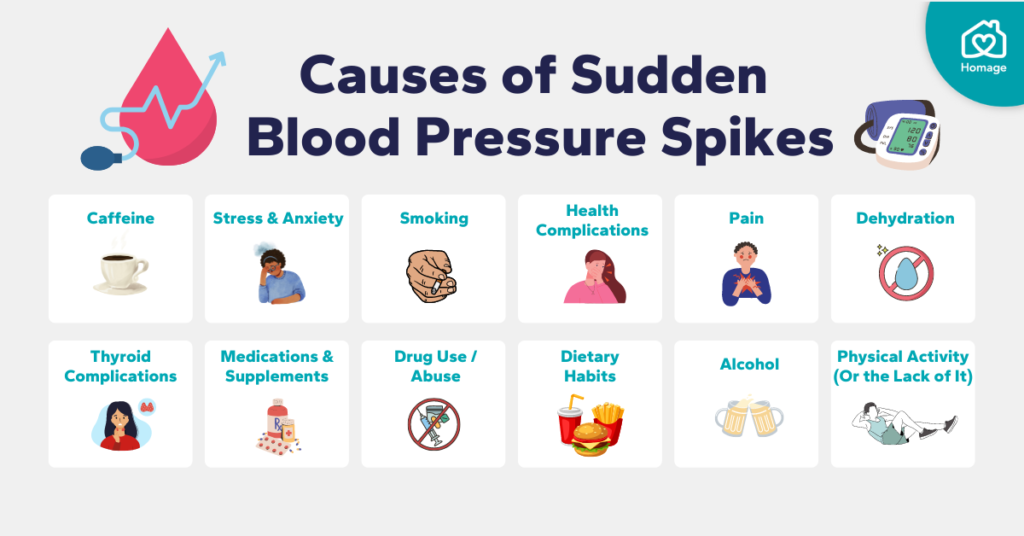
High blood pressure does not usually develop due to a single cause. It is often the result of multiple lifestyle, physical, and genetic factors working together.
1. Unhealthy Eating Habits
A diet high in salt, processed foods, fried items, and sugary snacks increases sodium levels in the body. Excess sodium causes the body to retain water, which raises blood volume and increases pressure on artery walls. Low intake of fruits, vegetables, and potassium-rich foods further worsens BP control.
2. Physical Inactivity
Lack of regular physical activity weakens the heart muscle over time. A weaker heart has to pump harder to circulate blood, increasing pressure in the arteries. Sedentary lifestyles are strongly linked to rising BP levels, especially in urban populations.
3. Chronic Stress and Mental Pressure
Long-term stress leads to continuous release of stress hormones such as cortisol and adrenaline. These hormones temporarily increase BP, and when stress becomes chronic, BP may remain permanently elevated. Emotional stress, anxiety, and poor sleep patterns significantly contribute to hypertension.
4. Overweight and Obesity
Excess body weight forces the heart to work harder to supply blood to the body. Fat accumulation also affects hormone levels and blood vessel function, increasing BP risk. Even moderate weight gain can raise blood pressure significantly.
5. Smoking and Alcohol Consumption
Smoking damages blood vessel walls and reduces their elasticity, making it harder for blood to flow smoothly. Excessive alcohol intake raises BP by increasing heart rate and narrowing blood vessels. Both habits greatly increase cardiovascular risk.
6. Age, Genetics, and Medical Conditions
Blood pressure tends to rise naturally with age as arteries lose flexibility. A family history of hypertension increases risk. Conditions such as diabetes, kidney disease, and hormonal disorders can also contribute to high BP.
Symptoms of High Blood Pressure
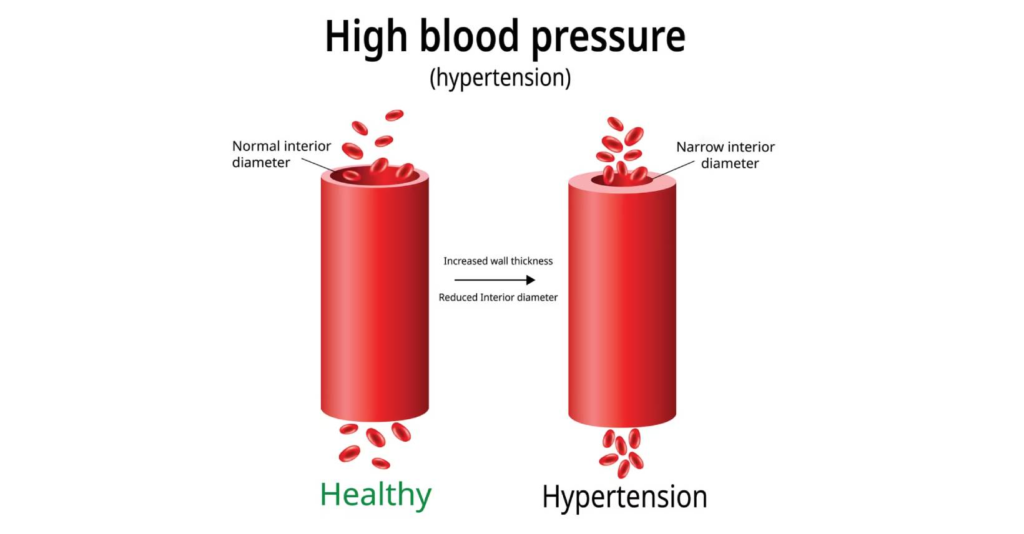
One of the biggest challenges with high blood pressure is that most people experience no symptoms, even when BP is dangerously high. However, in some cases—especially when BP reaches severe levels—certain warning signs may appear:
- Persistent or severe headaches
- Dizziness or light-headedness
- Shortness of breath
- Chest tightness or discomfort
- Blurred vision or vision changes
- Fatigue or difficulty concentrating
- Nosebleeds (in extreme cases)
Because symptoms are unreliable, regular BP checks are the only accurate way to detect high blood pressure early.
Health Risks of Uncontrolled High BP
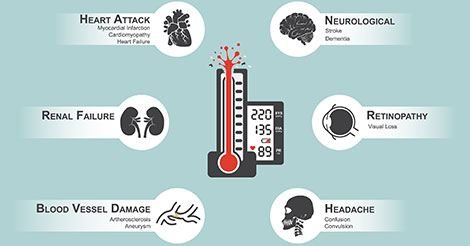
If high blood pressure is left untreated, it can lead to serious and sometimes life-threatening complications:
- Heart Problems: Increased risk of heart attack, heart failure, and enlarged heart
- Stroke: Damage or blockage of blood supply to the brain
- Kidney Damage: Reduced kidney function or kidney failure
- Eye Problems: Vision loss due to damaged blood vessels
- Metabolic Issues: Increased risk of diabetes and metabolic disorders
Early control of BP greatly reduces these long-term risks.
Effective Control Methods for High Blood Pressure
The good news is that high blood pressure can be controlled successfully through consistent lifestyle changes and medical care.
1. Healthy and Balanced Diet
- Reduce salt intake gradually
- Eat fresh fruits, vegetables, whole grains, and lean proteins
- Increase potassium-rich foods such as bananas, spinach, and legumes
- Avoid packaged, processed, and fast foods
2. Regular Physical Activity
- Aim for at least 30–45 minutes of exercise most days
- Walking, yoga, cycling, swimming, and stretching are highly effective
- Physical activity strengthens the heart and improves blood circulation
3. Stress Management
- Practice meditation, deep breathing, or relaxation techniques
- Maintain work-life balance
- Ensure adequate sleep and rest
4. Maintain a Healthy Weight
Losing even 5–10% of body weight can significantly reduce BP and improve heart health.
5. Avoid Harmful Habits
- Quit smoking completely
- Limit alcohol intake or avoid it altogether
6. Regular Monitoring and Medical Support
- Check BP regularly at home or with a healthcare provider
- Follow prescribed medications strictly if advised
- Never stop medicines without consulting a doctor
Living a Healthy Life with Controlled BP
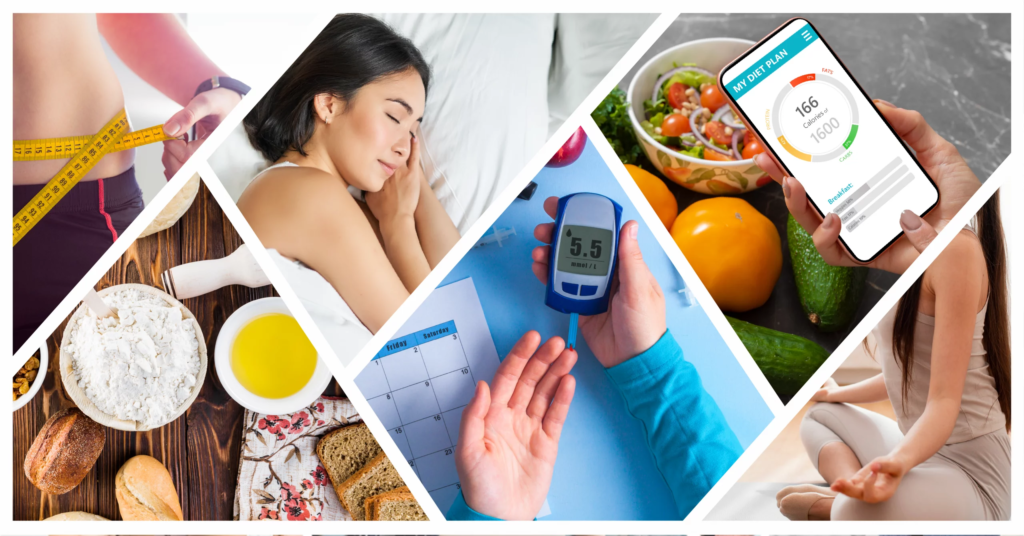
High blood pressure does not mean a restricted or unhealthy life. With proper awareness, routine health checks, and disciplined habits, people with BP can live normal, active, and productive lives. Small daily improvements—like mindful eating, daily walking, and stress control—create powerful long-term benefits for heart health.
Conclusion
High Blood Pressure is a serious yet manageable condition. Understanding its causes, being aware of possible symptoms, and adopting effective control methods can prevent severe health complications. Early detection, lifestyle discipline, and consistent medical guidance are the keys to maintaining healthy blood pressure and ensuring long-term well-being.
Note: This content is for informational and educational purposes only. It is not a substitute for professional medical advice, diagnosis, or treatment. Always consult a qualified healthcare provider regarding any medical condition, symptoms, or treatment options. Individual results and experiences may vary.
#HighBloodPressure #Hypertension #HealthTips #BPControl #HealthyLifestyle #HeartHealth #Wellness #BloodPressureAwareness #Fitness #HealthyLiving#Carrerbook#Anslation.