When we talk about “being healthy,” most of us think of eating well, exercising, getting enough sleep, or going for checkups. But there’s one more thing that plays a big role in your wellbeing—health literacy. It’s something we use every day without even realizing it.
In this simple guide, we will explore what health really means, what health literacy is, why it’s important, and how improving it can help you make smarter decisions about your personal health information.
What is health?
What is health literacy?
Importance of health literacy
Improving health literacy
1. What is health?
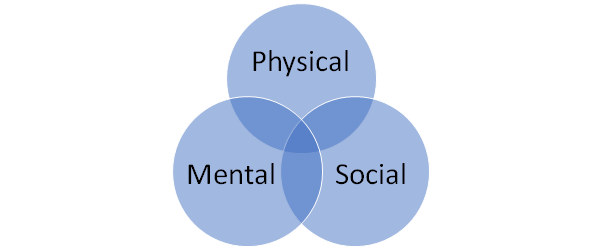
Health is a state of complete physical, mental and social well-being and not merely the absence of disease or infirmity.
Health is a multifaceted concept. It is not simply the condition of being well or unwell. Health can be a personal perspective which is affected by society and social conditions. Health is affected by:
genetic factors
lifestyle factors
environmental factors
culture
socioeconomic conditions
health care services and programs
Health can also be seen from several models or perspectives:
biomedical/medical
social
biopsychosocial.
Health is a state of wellbeing. It reflects the complex interactions of a person’s genetics, lifestyle and environment. Generally, a person’s health depends on two things: determinants (factors that influence health) and interventions (actions taken to improve health, and the resources required for these interventions).
Health can mean:
feeling well
fitness
a balanced life
connection and purpose
not being sick
quality of life.
2. What is health literacy?
Health literacy refers to how people understand information about health and health care, and how they apply that information to their lives, use it to make decisions and act on it.
Health literacy has two key parts.
Individual health literacy is concerned with people’s ability to access, understand, appraise and apply health information to make decisions and take action.
Health literacy environment is concerned with the make-up of the healthcare systems and services and how this affects individuals.
3. Importance of health literacy
Health Literacy is important because it helps:
consumers make informed decisions and take action for their health
clinicians communicate with consumers, organisations and policymakers about health and to deliver care
organisations and policymakers to provide systems and services that consumers and clinicians can navigate.
The COVID-19 pandemic is an example of how communities had to understand and act on health information provided by clinicians and organisations to slow the spread of the disease.
Effects of low health literacy
Risks from low health literacy
Good health and wellbeing is included in the Un Sustainable Development Goals.Health literacy is considered one of the key health promotion pillars for achieving the Sustainable Development Goal (SDG) targets. It advocates for higher levels of health literacy, which can result in the reduction of health inequities and improved social benefits for populations, including:
reduced poverty
more access to education
better work environments
economic growth.
4. Improving health literacy
It is not just the responsibility of individuals to improve their health literacy. Governments, organisations and health providers must ensure that they provide health information and systems that all can understand and navigate.
There are still many Australians who lack the level of literacy necessary to understand and apply health information. Most government information on COVID-19 is too hard for the average Australian to understand . Many are written in a way that requires a high level of reading comprehension.
Of those who participated in the National Health Survey: Health Literacy,2018, conducted by the Australian Bureau of Statistics (ABS):
17% felt that they are not able to appraise health information (e.g. able to identify reliable sources of information)
12% find it difficult to find good health information (e.g. using a range of sources to find up to date information)
8% find it difficult to understand health information well enough to know what to do (e.g. being able to understand all written health information and able to write appropriately on forms).
Other significant results from the survey were that young people and those who do not speak English at home experienced more difficulty than other groups.
Nearly 1 in 5 (19%) people aged 18–24 find navigating the health care system difficult. This fell to 7.9% for those aged 65 and over
Those who do not speak English in the home were less likely to feel understood and supported by health care providers.
The World Health Organization (WHO) describes ways to increase health literacy.
Governments develop policies and plans to provide accurate, up to date, unbiased information
Society and community leaders work together to bring expertise and experiences to their different communities and provide risk communication
Media and social media provide platforms to support ethical and accurate health literacy messaging
Researchers and academic institutions provide methods and examples of health literacy best practice and evidence for what interventions work.
Personal health information
Health information is any personal information about your health or disability. It includes information or opinion about your illness, injury or disability.