
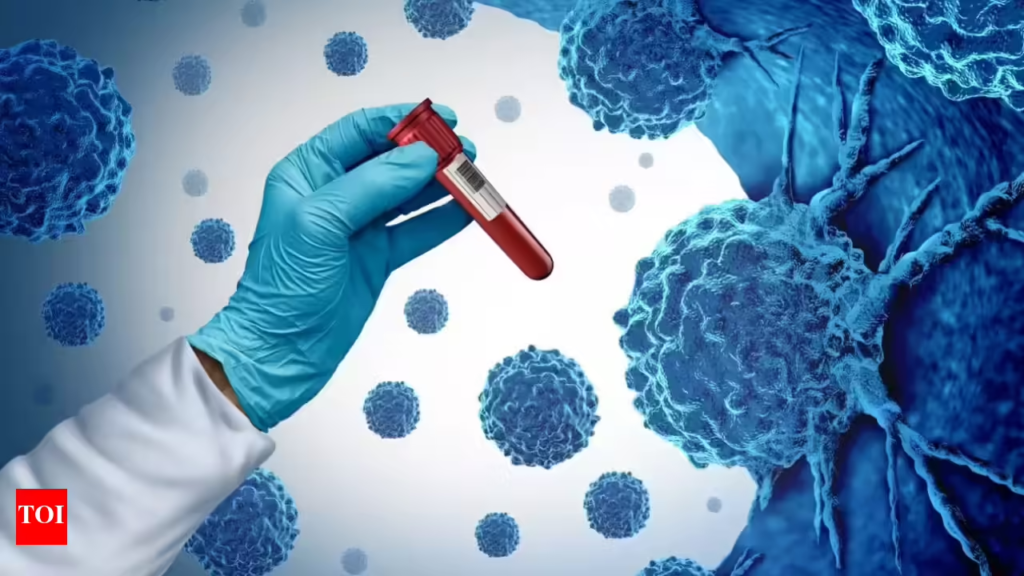
Earlier cancer diagnosis and faster treatment are being promised under a government plan in England to ensure three quarters of patients are surviving cancer for at least five years by 2035.
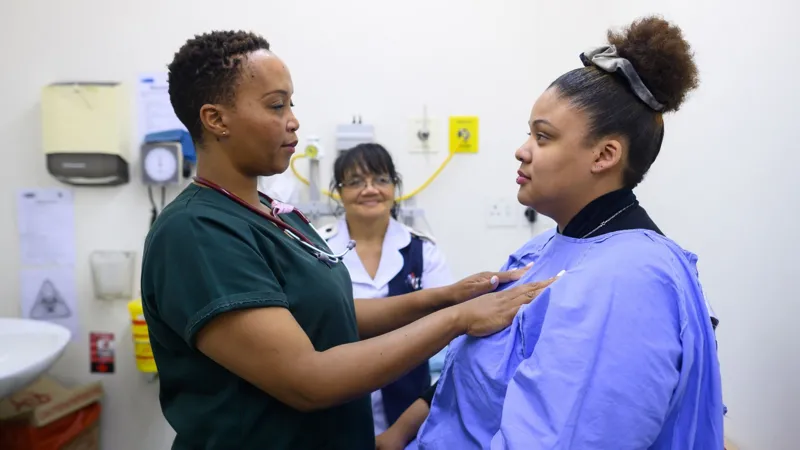
Government’s 2035 Cancer Survival Promise
The UK government has announced a far-reaching and ambitious commitment to transform cancer care in England, promising that three in four cancer patients will survive for at least five years by 2035. This pledge forms the backbone of a newly released 10-year National Cancer Strategy, which ministers say is designed to deliver the fastest improvement in cancer outcomes seen this century.
The plan reflects a shift away from treating cancer as only a medical condition, instead recognising its long-term physical, emotional, and social impact on patients and their families. By focusing on earlier diagnosis, faster access to treatment, and long-term personalised support, the government hopes to close the survival gap between the UK and other developed nations.
Current Cancer Survival Rates Lag Behind
Despite medical advances, cancer survival rates in the UK continue to trail those of comparable countries. Latest data from 2022 shows that five-year survival currently stands at around 60%, meaning thousands of lives could potentially be saved through better detection and care.
Analysis by cancer charities reveals that the UK consistently underperforms in survival rates for cancers such as stomach, colon, pancreas, ovarian and lung cancer. In some cases, the difference is stark — with countries like Australia, Norway, and Canada reporting significantly better outcomes. These figures have fuelled growing pressure on policymakers to deliver urgent and meaningful reform.
Faster Diagnosis and Treatment at the Heart of the Plan
Early diagnosis is widely recognised as the single most important factor in improving cancer survival. At present, just over half of cancers in England are diagnosed at stages one or two, when treatment is most likely to be successful — a figure that has seen little improvement over the past decade.
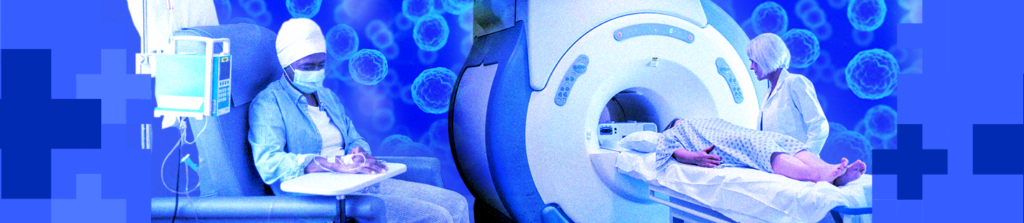
To change this, the government plans to dramatically expand access to tests and scans, delivering 9.5 million additional diagnostic procedures by 2029. Screening programmes will be widened, including lowering thresholds for bowel cancer screening and rolling out targeted lung cancer screening for former smokers. Ministers believe these measures will help identify cancers earlier, reduce late-stage diagnoses, and significantly improve patient outcomes.
Tackling Waiting Times: A Major Challenge
One of the most challenging commitments in the plan is the promise to meet the long-missed 62-day waiting time target, which measures the time from urgent referral to the start of treatment. The target has not been consistently met for more than a decade, with current performance sitting at around 70% — well below the 85% goal.
Experts warn that reducing waiting times will require sustained investment in staff, equipment, and hospital capacity. Delays in diagnosis and treatment can mean the difference between a cancer being curable or life-limiting, making this pledge one of the most closely watched elements of the strategy.
Personalised Cancer Care for Every Patient
A major shift outlined in the plan is the introduction of a Personalised Cancer Plan for every patient, ensuring care extends far beyond surgery, chemotherapy, or radiotherapy. These plans will address mental health, fatigue, nutrition, employment concerns, and the emotional toll of a cancer diagnosis.
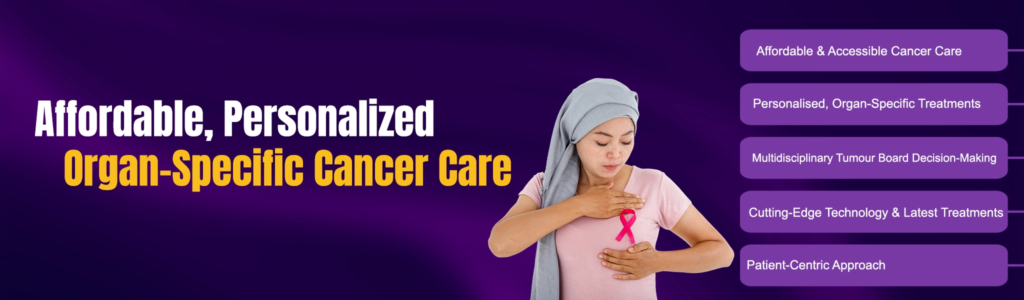
Patients will also receive a comprehensive end-of-treatment summary, helping to prevent the sudden loss of support many experience once active treatment ends. By assigning every patient a named local care lead, the government aims to ensure continuity of care and long-term support during recovery and beyond.
NHS App to Become a Digital Cancer Care Hub
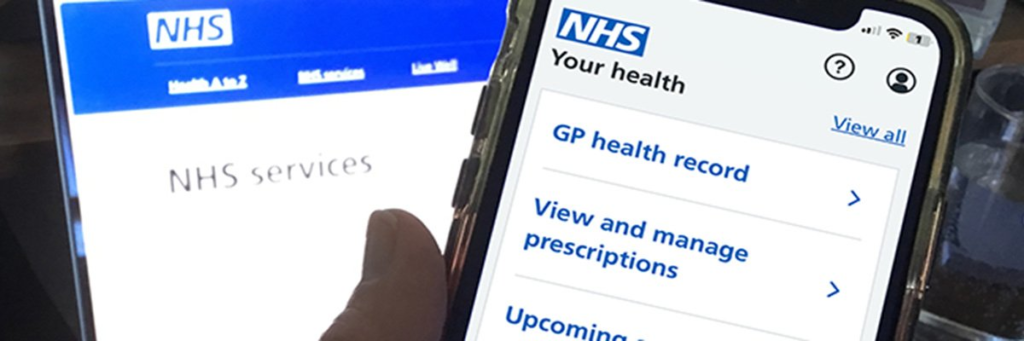
Crucially, patients will also be connected to cancer charities directly through the app, ensuring emotional, financial, and practical support is available from the moment of diagnosis — rather than discovered by chance months later.
The NHS App is set to become a central digital gateway for cancer care, giving patients greater control and clarity throughout their journey. Through the app, patients will be able to book screening appointments, access rehabilitation programmes, view medical records, and check their personalised care plans.
Investment, Innovation, and Technology
Health Secretary Wes Streeting has stressed that the government’s increased NHS investment — with budgets rising around 3% above inflation — will be key to delivering these ambitions. Combined with rapid advances in medical science, the strategy aims to modernise cancer treatment across the country.
The plan includes expanding precision robotic surgery, increasing access to genetic testing, and offering more targeted therapies such as immunotherapy. AI-powered pilots will also be introduced to help detect hard-to-reach cancers earlier, reducing the need for invasive procedures and speeding up diagnosis.
Preventing Cancer Before It Starts
Prevention is another important pillar of the strategy, with estimates suggesting that around four in ten cancer cases could be avoided through lifestyle changes. The government has outlined measures to support smoking cessation, improve access to weight-loss treatments, and enforce age restrictions on sunbed use.
However, some charities argue that stronger and bolder action is still needed, particularly around alcohol consumption, diet, physical activity, and exposure to harmful chemicals, to significantly reduce future cancer rates.
Staffing Shortages Remain a Serious Concern
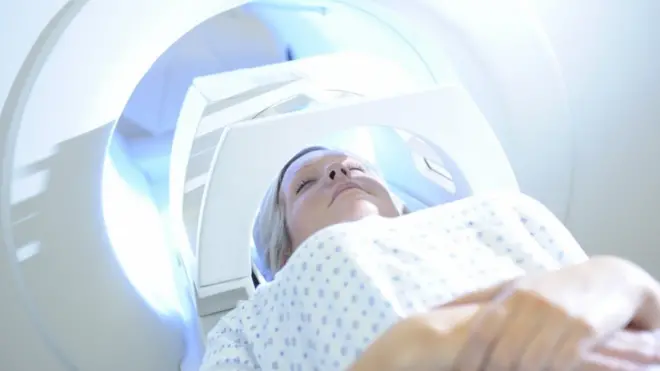
Despite widespread support for the plan’s ambition, professional bodies have raised concerns about whether it can be delivered with current staffing levels. Surveys suggest a 30% shortage of radiologists and a 15% shortfall in clinical oncologists, both of which are critical to diagnosing and treating cancer promptly.
Without long-term workforce planning and sustained recruitment, experts warn that faster diagnosis and treatment targets may remain out of reach.
A “Once-in-a-Generation” Shift in Cancer Care
Cancer charities including Macmillan, Maggie’s, and Cancer Research UK have described the National Cancer Plan as a landmark moment, praising its focus on holistic, personalised care. They argue that supporting patients emotionally, financially, and socially is just as important as treating the disease itself.
The government insists that survival should not depend on luck, background, or postcode — and that no patient should feel abandoned after hearing the words, “You have cancer.”

First Trip to Jaipur? 10 Amazing Places to See
Jaipur, popularly known as the Pink City, is one of India’s most iconic travel destinations….

Google Maps New AI Feature: Ask Maps Explained
Today, Google Maps is fundamentally changing what a map can do. By bringing together the…

Rocket Lab Stock News: RKLB Set for New Highs?
Stock Momentum & Analyst Sentiment Wall Street analysts remain generally bullish to moderately optimistic on Rocket Lab’s…

The Ultimate Weather App? My Surprising Pick
As Google Weather slowly disappears from many Android devices, users are beginning to search for…

WMT Stock Soars Today as Walmart Shares Rally
Walmart Inc. (NYSE: WMT) continues to attract massive attention from investors as its stock price…

Best Alphabet’s Massive 2026 AI Spending Stuns Wall Street
Alphabet Goes All-In on Artificial Intelligence Alphabet Inc., the parent company of Google, has unveiled a massive…
FAQs
Disclaimer: This article is for informational purposes only and does not constitute medical advice. Patients should consult qualified healthcare professionals for diagnosis, treatment, and personalised medical guidance.
#CancerSurvival #NationalCancerPlan #HopeOverFear#EarlyDiagnosis #CancerCare #NHS #HealthPolicy#CancerAwareness #PersonalisedCare #MedicalInnovation#Carrerbook#Anslation.