In the modern job market, a formal education by itself is no longer sufficient to secure meaningful employment. While schools and universities provide academic knowledge and theoretical foundations, many students graduate without the practical skills required to perform effectively in real workplaces. Employers across industries frequently report that fresh graduates lack hands-on experience, problem-solving ability, and workplace readiness. This disconnect has created a growing gap between education and employment, making skill development an essential component of career success. Skill-based learning transforms education from theory-focused instruction into a pathway that prepares individuals for real jobs.
The Growing Gap Between Education and Employment
Outdated Curriculums vs Modern Job Market Needs
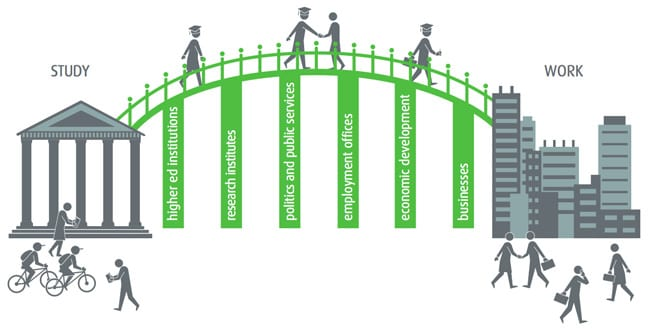
One of the primary reasons for rising unemployment among educated youth is the mismatch between outdated academic curriculums and rapidly evolving job market requirements. Many educational programs continue to emphasize memorization and examination performance, while employers demand adaptability, creativity, digital proficiency, and critical thinking. As industries adopt new technologies and business models, the skills required today are often very different from those taught in classrooms. This gap leaves graduates struggling to meet employer expectations, even after years of formal education.
Why Skill Development Is the Missing Link
Turning Academic Knowledge into Practical Ability
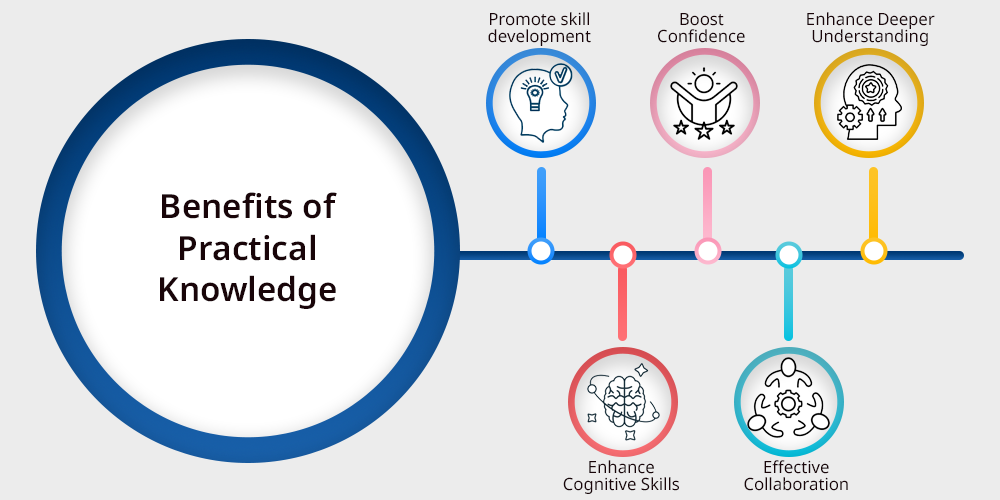
Skill development serves as the crucial link that connects education to employment by converting theoretical knowledge into practical competence. Through skill-based training, learners gain exposure to real-world applications of what they study, allowing them to understand how academic concepts are used in professional environments. Whether through workshops, internships, simulations, or hands-on projects, skill development helps individuals build confidence, competence, and job readiness. It ensures that education does not remain abstract, but becomes directly relevant to career outcomes.
Industry-Relevant Skills: What Employers Really Want
From Degrees to Demonstrable Skills
Today’s employers increasingly prioritize demonstrable skills over academic qualifications alone. While degrees remain important, hiring decisions are now strongly influenced by a candidate’s ability to apply knowledge, use tools, communicate effectively, and adapt to workplace demands. Skills such as teamwork, problem-solving, time management, digital literacy, and professional communication have become essential across industries. Skill development programs designed in collaboration with industry help bridge this gap by aligning training with real job requirements.
The Role of Education Institutions in Skill Development
From Teaching to Training
Educational institutions play a critical role in preparing students for employment by shifting from traditional teaching models to skill-oriented training approaches. This includes integrating project-based learning, internships, industry exposure, and soft skill development into academic programs. When institutions focus not only on what students know but also on what they can do, learners graduate with practical experience and professional confidence. Such an approach helps students transition smoothly from classrooms to workplaces
Skill Development and Youth Employability
Empowering Students for the Real World
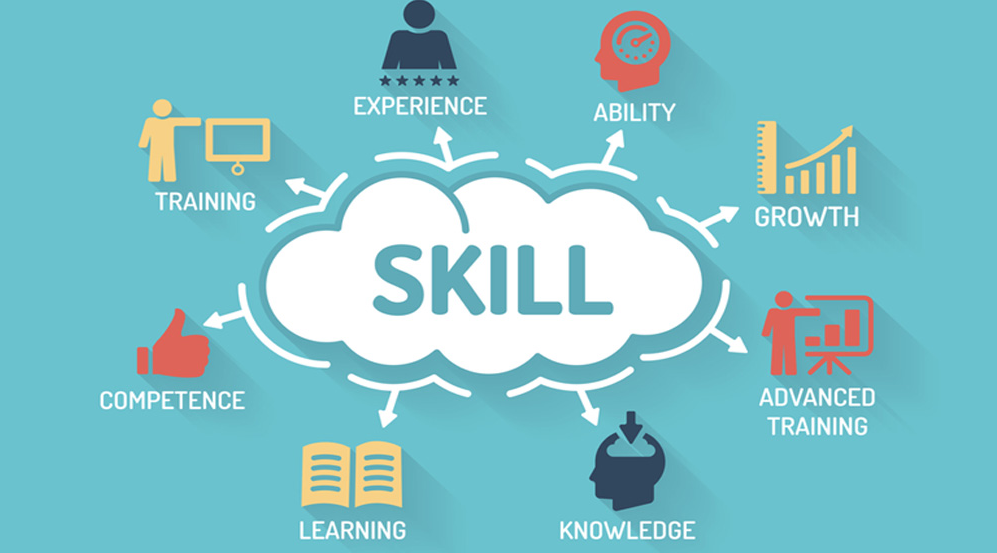
Skill development is especially vital for young people entering the job market for the first time. Many students face uncertainty and lack direction after completing their education, unsure of how to apply their knowledge professionally. Skill-based training empowers youth by providing clarity about career paths, improving communication and workplace behavior, and building confidence. It enables young professionals to compete effectively in the job market and reduces the risk of long-term unemployment.
Bridging the Education–Job Gap Through Vocational Training
Learning by Doing
Vocational and technical training programs focus on practical, hands-on learning that directly prepares individuals for specific job roles. Unlike traditional education, vocational training emphasizes learning by doing, allowing participants to gain real experience while developing industry-specific skills. These programs are particularly effective in sectors such as manufacturing, healthcare, IT, logistics, construction, and services. By aligning education with job roles, vocational training significantly reduces the employability gap.
Digital Skills and the Future of Jobs
Preparing for an AI-Driven Workforce
As digital transformation accelerates across industries, the demand for digital and technological skills continues to rise. Automation, artificial intelligence, and data-driven decision-making are reshaping the nature of work, making digital literacy essential for future employment. Skill development in areas such as data analysis, coding, digital tools, cybersecurity, and online collaboration ensures that workers remain relevant in an evolving job market. Education systems that integrate digital skill development prepare learners for both current and future job opportunities.
Government and Private Sector Role in Skill Development
Building a Job-Ready Nation
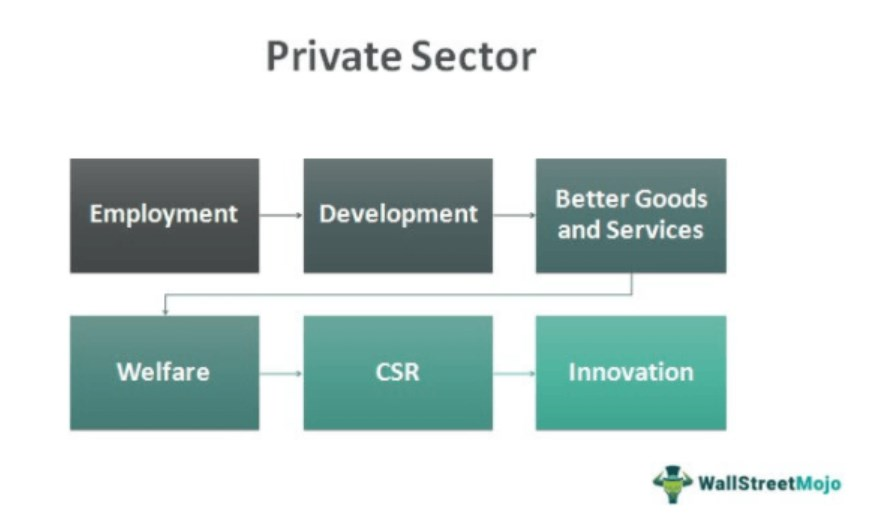
Governments and private organizations have a shared responsibility in promoting skill development at scale. Through national skill initiatives, vocational training programs, public-private partnerships, and certification schemes, they help create pathways from education to employment. These efforts are essential for addressing unemployment, improving workforce quality, and supporting economic growth. Collaboration between policymakers, educators, and industry ensures that skill development initiatives remain aligned with labor market needs.
How Skill Development Benefits Employers
Reducing Hiring and Training Costs
From an employer’s perspective, skill development reduces the cost and time required to train new hires. Candidates who already possess relevant skills adapt faster, perform better, and contribute more effectively from the start. Skilled employees also tend to show higher job satisfaction and retention, improving overall productivity. As a result, companies increasingly support skill development initiatives to build a capable and future-ready workforce
Conclusion:
Education provides the foundation, but skills create opportunities. Skill development is the most effective way to bridge the gap between education and jobs, ensuring that individuals are not only educated but also employable. By embedding skill-based learning into education systems, societies can empower youth, reduce unemployment, and meet the demands of a rapidly changing economy. In the long run, sustainable careers will be built not just on degrees, but on the ability to apply knowledge effectively in the real world.

Plague Disease: Everything You Need to Know
The word “plague” often triggers images of historical catastrophes, medieval quarantine measures, and dark chapters…

Is the Nothing Headphone 1 Worth Your Money? Full Hands-On Review
When Nothing first dropped hints that they were stepping beyond wireless earbuds and taking on…

First Trip to Jaipur? 10 Amazing Places to See
Jaipur, popularly known as the Pink City, is one of India’s most iconic travel destinations….
Google Maps New AI Feature: Ask Maps Explained
Today, Google Maps is fundamentally changing what a map can do. By bringing together the…
Rocket Lab Stock News: RKLB Set for New Highs?
Stock Momentum & Analyst Sentiment Wall Street analysts remain generally bullish to moderately optimistic on Rocket Lab’s…

The Ultimate Weather App? My Surprising Pick
As Google Weather slowly disappears from many Android devices, users are beginning to search for…