
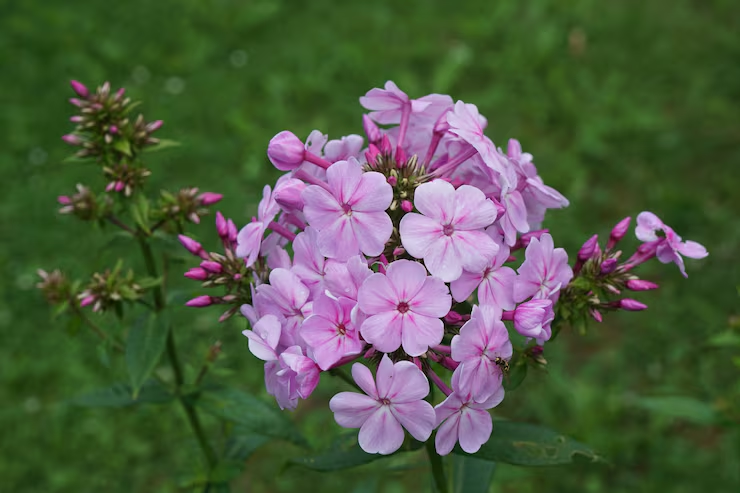
Shady sites can be challenging places to garden. Many plants languish beneath the canopy of trees, whether from low light or too much competition. Other plants thrive in the woodland understory and cool shade of buildings. If your shade gardens are suffering, give them a makeover with these fast-growing perennials They will fill your shady beds and borders with lush foliage and seasonal blooms in no time. And because these plants are perennial, they will return year after year.
Not all shade is created equal. When selecting plants for shade gardens, study the light patterns in your garden. Does the area receive shade all day or just part of the day? Is there dappled sunlight all day or direct sun for part of the day. Some plants thrive in heavy deep shade , but others need a bit of light to perform their best. Once you understand the types of shade in your garden, you can match plants accordingly.
‘Sterling Moon’ Lunar Lights™ Begonia

- Botanical Name: Begonia hybrid ‘Sterling Moon’
- Sun Exposure: Partial to full shade; dappled sunlight
- Soil Type: Rich, moist, well-draining
- Soil pH: Slightly acidic (5.5-6.5)
- USDA Hardiness Zones: 7 to 9
The silver-frosted foliage of this hardy begonia illuminates shade gardens and makes a graceful backdrop to the salmon-pink blooms. Flowers begin to open in May and are self-cleaning so plants will continue to bloom throughout the season with no deadheading. Part of the Lunar Lights™ series, this low-maintenance begonia has improved root hardiness that extends its perennial range.
Heucherella ‘Buttered Rum’

- Botanical Name: x Heucherella hybrid ‘Buttered Rum’
- Sun Exposure: Partial shade
- Soil Type: Rich, medium to moist, well-draining
- Soil pH: Mildly acidic to alkaline (6.0-8.0)
- USDA Hardiness Zone: 4 to 9
Whether you’re looking to decorate for Halloween or simply want to add color to the shade, ‘Buttered Rum’ fits the bill. Beautifully sculpted, orange-red foliage brings plenty of flair to gardens and containers. The colorful foliage is complemented by airy spring blooms buzzing with pollinators.
Cranesbill

- Botanical Name: Geranium maculatum
- Sun Exposure: Full sun to part shade
- Soil Type: Average, medium, well-draining
- Soil pH: Acidic to alkaline (5.5-8.5)
- USDA Hardiness Zone: 5 to 8
These woodland perennials add texture to plantings through deeply lobed foliage that grows in a tidy mound. Delicate-looking blooms cover plants from April to June in deep pink to lavender-blue hues. In Southern gardens, cranesbill thrives in partial shade where plants receive enough light to bloom well but not too much to cause stress.
Hosta

- Botanical Name: Hosta spp.
- Sun Exposure: Partial to full shade
- Soil Type: Rich, moist, well-draining
- Soil pH: Acidic to alkaline (6.0-8.0)
- USDA Hardiness Zone: 3 to 9
Hostas are a mainstay of the shade garden, with bold foliage adding rich contrast and striking color to plantings. The trumpet-shaped blooms are often overlooked despite their delicate fragrance and attraction to hummingbirds. In hot Southern climes, hostas perform best in full shade or dappled sunlight.
Columbine

- Botanical Name: Aquilegia spp.
- Sun Exposure: Full sun to part shade
- Soil Type: Medium moisture, well-draining, average fertility
- Soil pH: Slightly Acidic to Neutral (6.5-7.5)
- USDA Hardiness Zones: 3 to 9
The showy spring blooms of columbine are a favorite for attracting hummingbirds as they return from wintering grounds. Plants reseed readily, though not to the point of being weedy, with new plants flowering in their second year. This deer-resistant plant is perfect for naturalizing in woodland gardens, pollinator plantings, and shady borders.
Bleeding Heart

- Botanical Name: Lamprocapnos spectabilis
- Sun Exposure: Partial to full shade
- Soil Type: Average, medium, well-draining
- Soil pH: Mildly acidic to slightly alkaline (6.0-8.0)
- USDA Hardiness Zones: 3 to 9
Few flowers are as charming as those of bleeding heart. Blooming in late spring, bleeding hearts bridge the gap between spring bulbs and summer blossoms. Bleeding heart plants tolerate heavy shade and are unbothered by deer or rabbits. Give this showy perennial a prominent place in the garden but make a plan to fill the gap it will leave when plants go dormant in summer.
Southern Lady Fern

- Botanical Name: Athyrium asplenioides
- Sun Exposure: Partial to full shade
- Soil Type: Rich, medium, well-draining
- Soil pH: Acidic to alkaline (5.5-8.0)
- USDA Plant Hardiness Zone: 5 to 9
The lacy foliage of this native fern adds lush texture to shade gardens. Southern lady fern is a graceful plant with an arching, vase-like form. It tolerates heavy shade where the light green foliage brightens the understory. Plants are resistant to deer and rabbit browsing and spread by rhizome, forming a dense groundcover with time.https://feeods.com/beautiful-tulip-bouquet-ideas-for-a-stunning-spring-table/
Inland Sea Oats

- Botanical Name: Chasmantium latifolium
- Sun Exposure: Partial shade; dappled sunlight
- Soil Type: Average, medium to moist, well-draining
- Soil pH: Acidic to neutral (5.5-6.8)
- USDA Plant Hardiness Zone: 5 to 9
This texture-rich ornamental grass is sometimes called fish on a pole thanks to its unique oat-like seed heads that dangle from slender, arching stalks. The showy seed heads can be cut and dried for use in arrangements and readily self-sow in the garden. Many gardeners welcome this reseeding ability as an easy way to fill challenging planting sites in dry shade. Mass in woodland gardens as a tall groundcover or use to stabilize slopes and sand dunes.
White Wood Aster

- Botanical Name: Eurybia divaricata
- Sun Exposure: Partial to full shade
- Soil Type: Average, dry to medium, well-draining
- Soil pH: Acidic to alkaline (5.5-8.0)
- USDA Plant Hardiness Zone: 3 to 8
Few plants bloom as profusely in the shade as white wood aster. This woodland native thrives in dry shade, where plants produce distinctive heart-shaped foliage topped by clusters of showy white blooms. The late summer to autumn blooms provide a valuable nectar source for butterflies and bees, while songbirds feed on the seeds that follow.
Virginia Spiderwort

- Botanical Name: Tradescantia virginiana
- Sun Exposure: Partial to full shade
- Soil Type: Average to rich, medium to moist, well-draining
- Soil pH: Mildly acidic to slightly alkaline (6.0-8.0)
- USDA Plant Hardiness Zone: 4 to 9
This clump-forming native spiderwort blooms over a long period, beginning as early as March and lasting into June. Individual flowers last only one day, with new purple to pink blooms produced daily. Plants may die back in the heat of summer and return in autumn, often reblooming. This adaptable plant tolerates occasional wet soil and dry spells, walnut trees, and deep shade.
Plague Disease: Everything You Need to Know
The word “plague” often triggers images of historical catastrophes, medieval quarantine measures, and dark chapters…

Is the Nothing Headphone 1 Worth Your Money? Full Hands-On Review
When Nothing first dropped hints that they were stepping beyond wireless earbuds and taking on…

First Trip to Jaipur? 10 Amazing Places to See
Jaipur, popularly known as the Pink City, is one of India’s most iconic travel destinations….

Google Maps New AI Feature: Ask Maps Explained
Today, Google Maps is fundamentally changing what a map can do. By bringing together the…

Rocket Lab Stock News: RKLB Set for New Highs?
Stock Momentum & Analyst Sentiment Wall Street analysts remain generally bullish to moderately optimistic on Rocket Lab’s…

The Ultimate Weather App? My Surprising Pick
As Google Weather slowly disappears from many Android devices, users are beginning to search for…

#ShadeGarden #Perennials #ShadeLovingPlants #FastGrowingPlants #GardenTips #Gardening101 #Carrerbook#Anslation#BackyardGarden #PlantLovers #GardenIdeas #LowMaintenancePlants #FlowerGarden #GrowInShade.